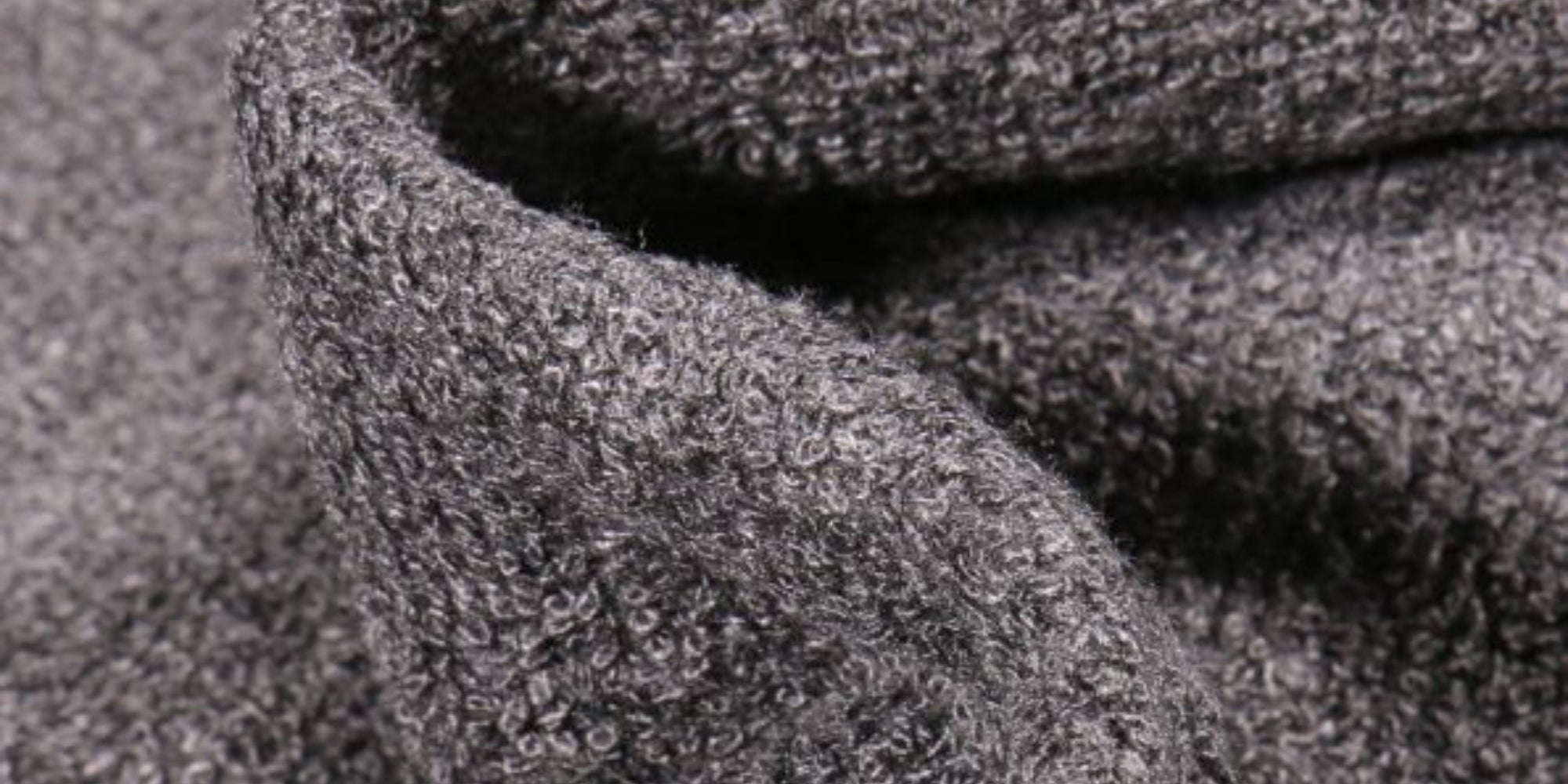


Discover Minky fabric!
Who hasn't heard of soft and cozy "Pilou-Pilou" fabric? It's a material that immediately brings to mind the warmth and comfort of a cozy cocoon.
But today, we want to highlight another fabric that deserves to be discovered: Minky. Often considered the little sister of Pilou-Pilou, Minky fabric has gained popularity over the years. Let's delve into the world of this exceptional textile together.
The history of Minky fabric
Minky, despite its great notoriety, remains a mystery to many. Its origin dates back to the 1970s, when it began to appear in the textile industry. Primarily made from polyester fibers, it is distinguished by its unparalleled softness and short pile, hence its association with Pilou-Pilou.
Common uses of Minky fabric
-
Children's and baby clothes: Thanks to its softness, Minky is often used to make clothes for the little ones. Bodysuits, pajamas, or even booties, it is ideal for keeping newborns and toddlers warm.
-
Blankets and throws: Minky is the perfect choice for those looking for a soft and warm blanket for winter evenings.
-
Fashion accessories: Scarves, hats, and gloves can also be made from this fabric to offer comfort and style in one piece.
How to work with Minky fabric?
Minky, although soft, can be a bit tricky to work with. Here are some tips for those who want to start sewing it:
-
Prepare the fabric: As with any fabric, it is recommended to wash and dry Minky before sewing. This prevents any future shrinkage.
-
Use pins: Minky can slip during sewing. Therefore, use pins to hold it firmly in place.
-
Choose the right thread: Polyester thread is generally recommended for sewing Minky. It offers better resistance and blends perfectly with the fabric.
The advantages of Minky fabric?
Minky, beyond its softness, offers many advantages. It is durable, stain-resistant, and retains its softness even after several washes. In addition, it offers excellent thermal insulation, making it an ideal choice for winter products.
Minky fabric, although the little sister of Pilou-Pilou, has found a special place in the textile world. Whether for its softness, ease of care, or versatility, it has everything to charm.
At Pilou-Pilou Store, we are proud to introduce you to this exceptional fabric and to offer our customers quality products made with care.
Join us to discover our range of Minky products and let yourself be seduced by this material that has so much to offer.
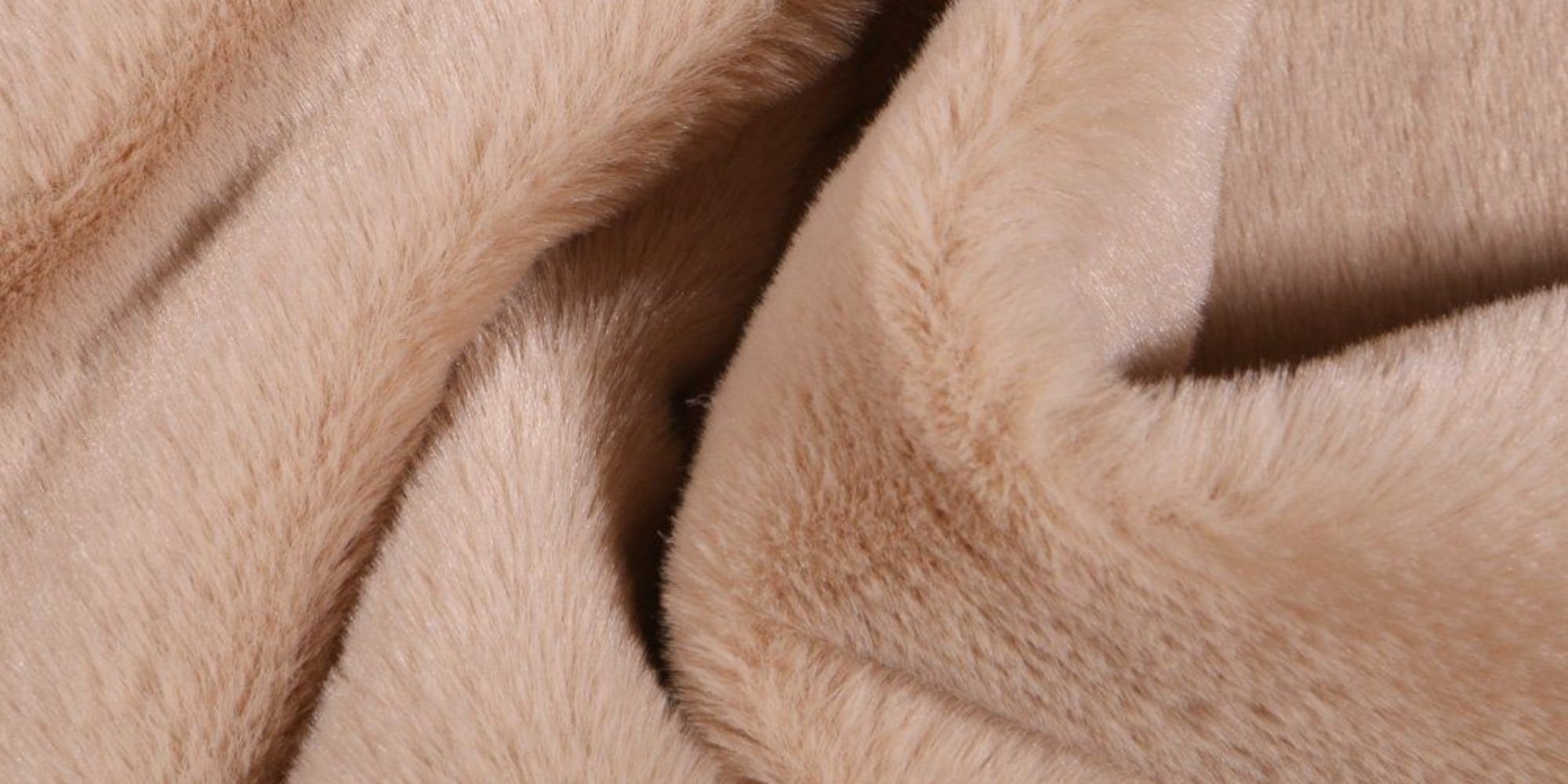
Muslin fabric: the soft ally for mothers
When it comes to softness and tenderness, muslin fabric is often at the top of the list. Known for its traditional use in early childhood, muslin has a rich history and versatility that continues to appeal. But what makes muslin such a special and appreciated fabric? Let's dive into its world together.
The history of muslin fabric
The use of muslin dates back to ancient times. Traditionally, this lightweight fabric was used to swaddle newborns, protecting them and offering them a sense of security. Made primarily of cotton, muslin is known for its softness and ability to absorb moisture, while allowing the skin to breathe.
Common uses of muslin fabric
-
Baby swaddling: Muslin is perfect for swaddling babies, creating a soft and secure cocoon that helps them sleep better.
-
Comfort blankets and blankets: Its softness makes it a preferred choice for lightweight blankets and comfort blankets that accompany children in their sleep.
-
Bibs and wipes: Due to its absorbency, it is also used to make bibs and baby wipes.
-
Baby slings: Some mothers opt for muslin baby slings, appreciating their lightness and breathability.
How to work with muslin fabric?
Sewing muslin requires special attention:
-
Pre-wash: It is always recommended to wash the fabric before working with it to prevent it from shrinking after making.
-
Use an adapted needle: Prefer a fine needle to sew muslin, so as not to damage its delicate texture.
-
Double seams: To reinforce seams, especially for items that will be washed frequently, a double seam is preferable.
Advantages of muslin fabric
Muslin fabric stands out for:
-
Its breathability: Ideal for warm climates or sensitive skin.
-
Its absorption capacity: It dries quickly while absorbing moisture, making it perfect for bibs or towels.
-
Its softness: Over time, muslin becomes increasingly soft, which makes it even more pleasant to the touch.
-
Sportswear: Softshell is very popular for jackets, pants, and other equipment intended for mountain activities, trekking, or cycling.
-
Urban clothing: Increasingly, Softshell is used for urban coats offering optimal protection against wind and light rain, without sacrificing style.
-
Specific equipment: Certain accessories such as gloves, hats, or shoe covers are also made of Softshell to offer increased protection.
-
Use a special needle: A needle for thick fabrics or a universal needle is recommended for sewing Softshell.
-
Waterproof seams: In order to preserve the water-repellent properties of the fabric, it is essential to make the seams properly to avoid any infiltration.
-
Gentle ironing: If you need to iron Softshell, do it carefully and at a low temperature so as not to damage the membrane.
-
Its flexibility: Unlike other rigid outdoor fabrics, Softshell offers great freedom of movement.
-
Its protection: It acts as a shield against wind and light rain while allowing good breathability.
-
Its easy care: Softshell is durable and resistant to frequent washing.
-
Washable diapers: Oeko-tex PUL fabric is commonly used as a waterproof barrier in the manufacture of washable couches. It prevents leaks while allowing the skin to breathe.
-
Sportswear: Its ability to block water while remaining breathable makes PUL a popular choice for waterproof sportswear.
-
Reusable menstrual products: Washable sanitary pads and reusable panty liners made of PUL offer an ecological solution to disposable products.
-
Waterproof bags: Whether for wet swimwear, food, or other needs, PUL bags are appreciated for their ability to contain moisture.
-
Use a ballpoint needle: To avoid permanently piercing the fabric, it is recommended to use a ballpoint needle, which separates the fibers rather than piercing them.
-
Waterproof seams: If you want to maintain the waterproof integrity of the fabric, opt for waterproof seams or an elastic stitch.
-
Avoid direct ironing: If ironing is necessary, use a pressing cloth to avoid damaging the laminate.
-
Its ecological functionality: By offering reusable alternatives to disposable products, PUL helps reduce waste.
-
Its duality: PUL offers a waterproof barrier while allowing good breathability, which is essential for many applications.
-
Its durability: Resistant and easy to care for, PUL is designed to last.
Muslin fabric has stood the test of time, always appreciated for its softness and practicality. At Pilou-Pilou Store, we firmly believe in the value of this fabric, and that's why we are delighted to feature it in our collection. Discover all our muslin items and experience the unique experience this ancestral fabric has to offer.
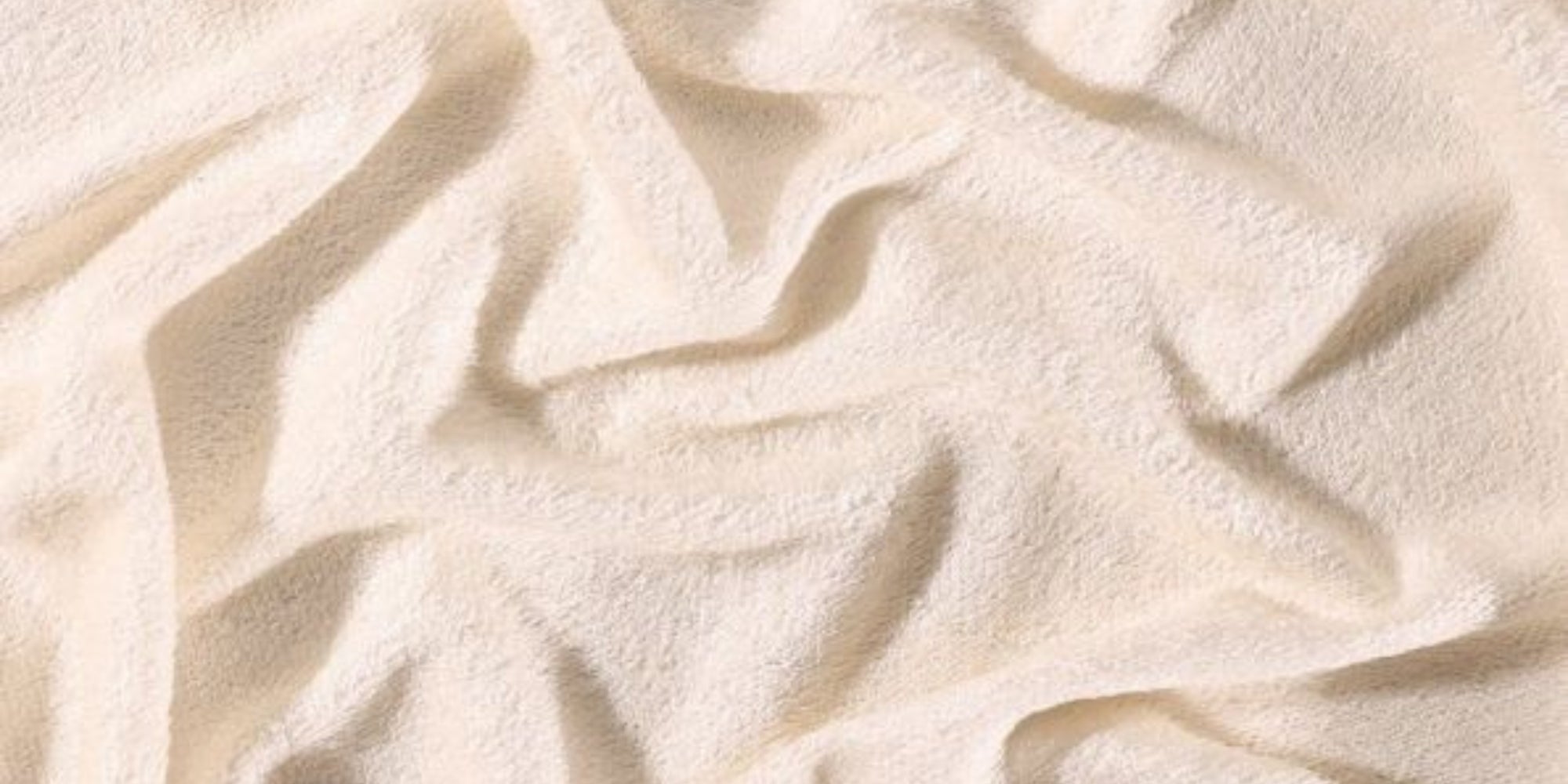
Softshell fabric: the perfect combination of comfort and protection
As soon as outdoor activities are mentioned, one material quickly stands out: Softshell fabric. Known for its robustness and its ability to protect from the elements while offering great freedom of movement, this fabric is a must-have for modern adventurers. But what makes Softshell such a special fabric? Let's explore together the properties and history of this innovative material.
The history of Softshell fabric
Appearing in the 90s, Softshell was designed as a response to the specific needs of outdoor athletes. Seeking a lighter and more flexible alternative to traditional jackets, manufacturers combined several layers of fabric to obtain the Softshell we have today: wind-resistant, water-repellent, while being breathable.
Common uses of Softshell fabric
How to work with Softshell fabric?
Working with Softshell requires a certain expertise:
Advantages of Softshell fabric
Softshell is appreciated for:
Whether for a mountain outing or a city stroll in uncertain weather, Softshell fabric is the wise choice for those seeking protection and comfort. At Pilou-Pilou Store, we have recognized the value of this fabric and are proud to feature it in our collections. Come discover our Softshell products and prepare to brave the elements with style and efficiency.
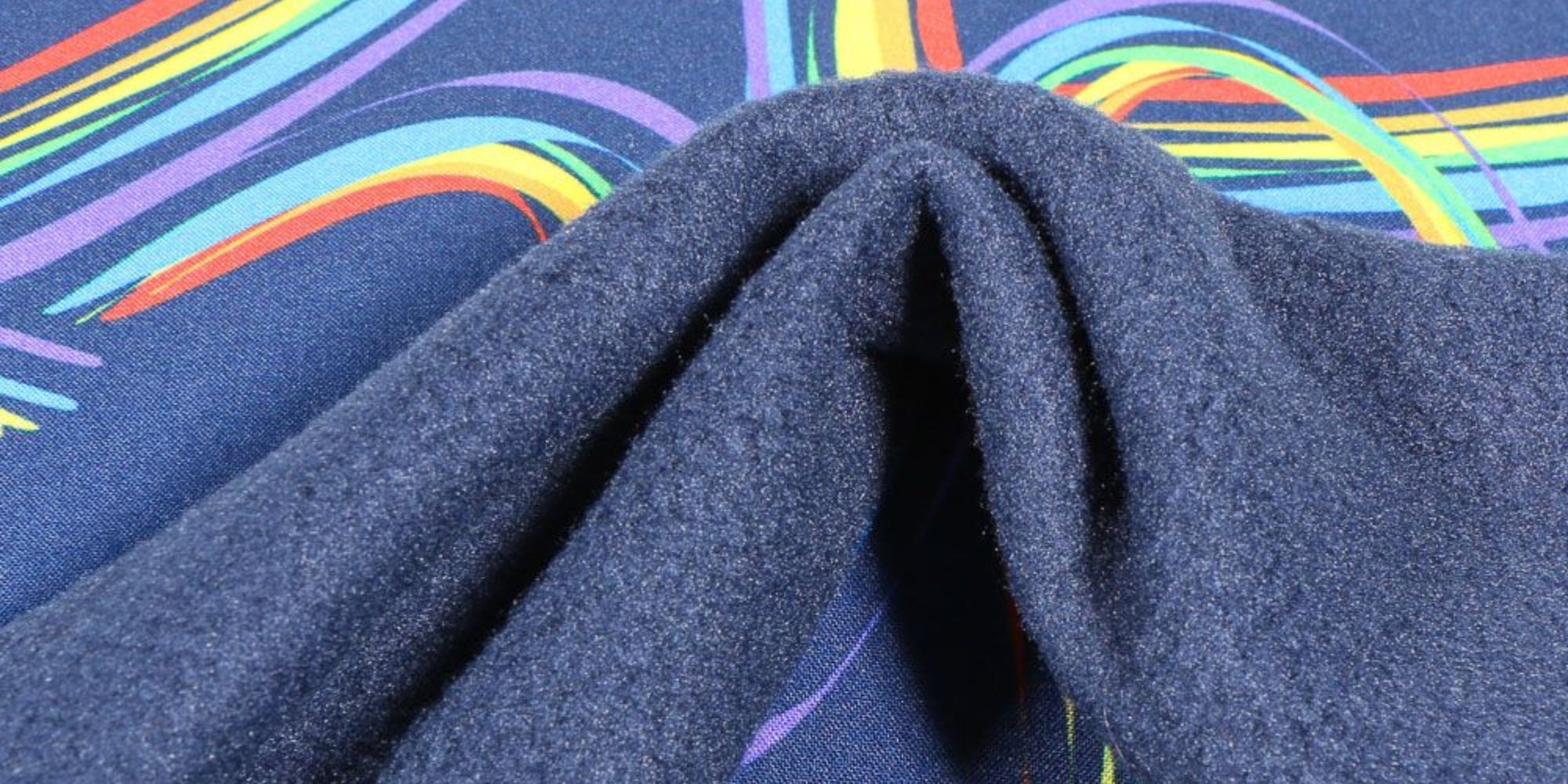
PUL fabric: a waterproof, breathable, and ecological barrier
In the world of innovative textiles, PUL (PolyUrethane Laminate) clearly stands out. Appreciated for its impermeability and breathability, this fabric offers sustainable solutions in various fields. From childcare to sports, PUL fabric has carved out a place of choice for itself. So, what makes this fabric so special? Let's embark on a journey to discover PUL.
The history of PUL fabric
Although polyurethane, the main component of PUL, was invented in the 1930s, it is only more recently that laminated fabric has found its popularity. The growing demand for ecological and sustainable alternatives to disposable products has propelled PUL to the forefront, particularly in the world of washable sofas.
Common uses of PUL fabric
How to work with PUL fabric?
Working with PUL requires some caution:
Advantages of PUL fabric
PUL is appreciated for:
PUL fabric perfectly illustrates how textile innovation can meet the ecological and practical needs of our time. At Pilou-Pilou Store, we are convinced of the many possibilities offered by PUL and are proud to feature it in our product range. Explore our PUL items and discover how this fabric can enrich your daily life.